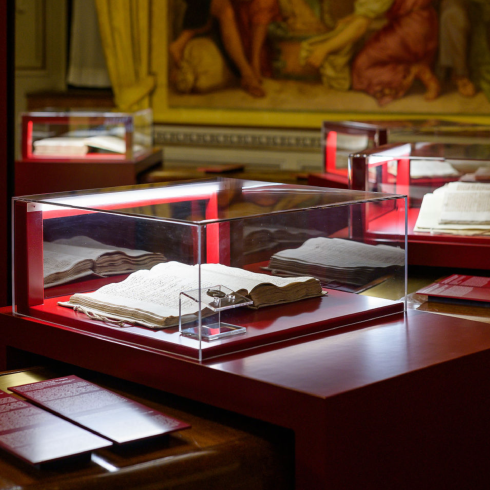

Historical Archive Display Case

Historical Archive of the Fondazione Roma

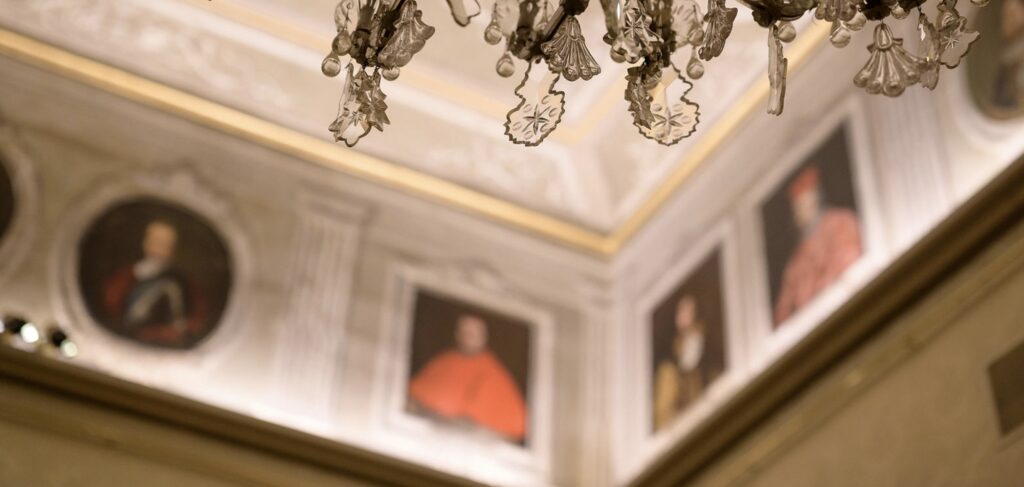
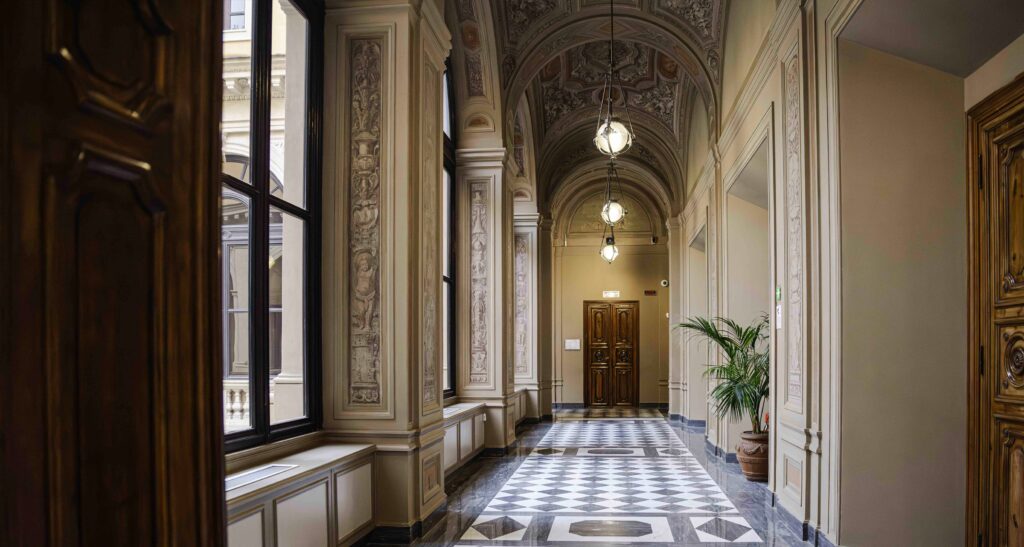
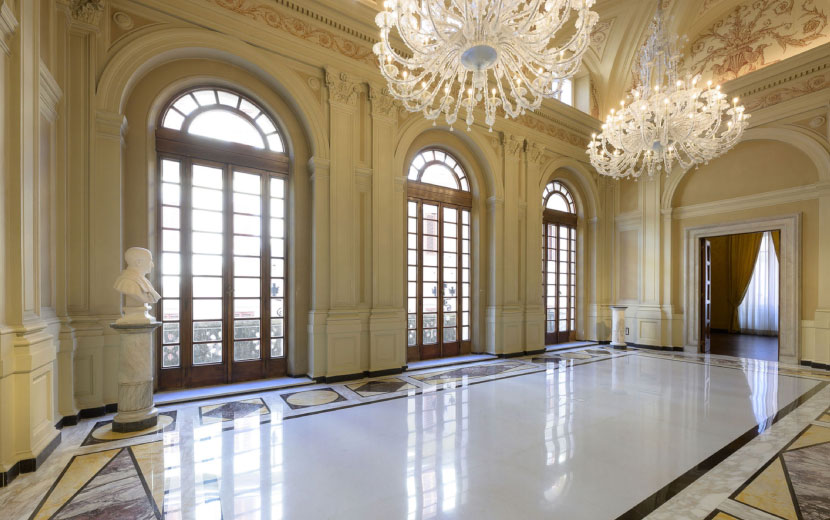
Housed within the historic setting of Palazzo Sciarra Colonna, the Historical Archive of Fondazione Roma forms part of the cultural itinerary offered by Museo del Corso – Polo museale, alongside its Permanent Collection.

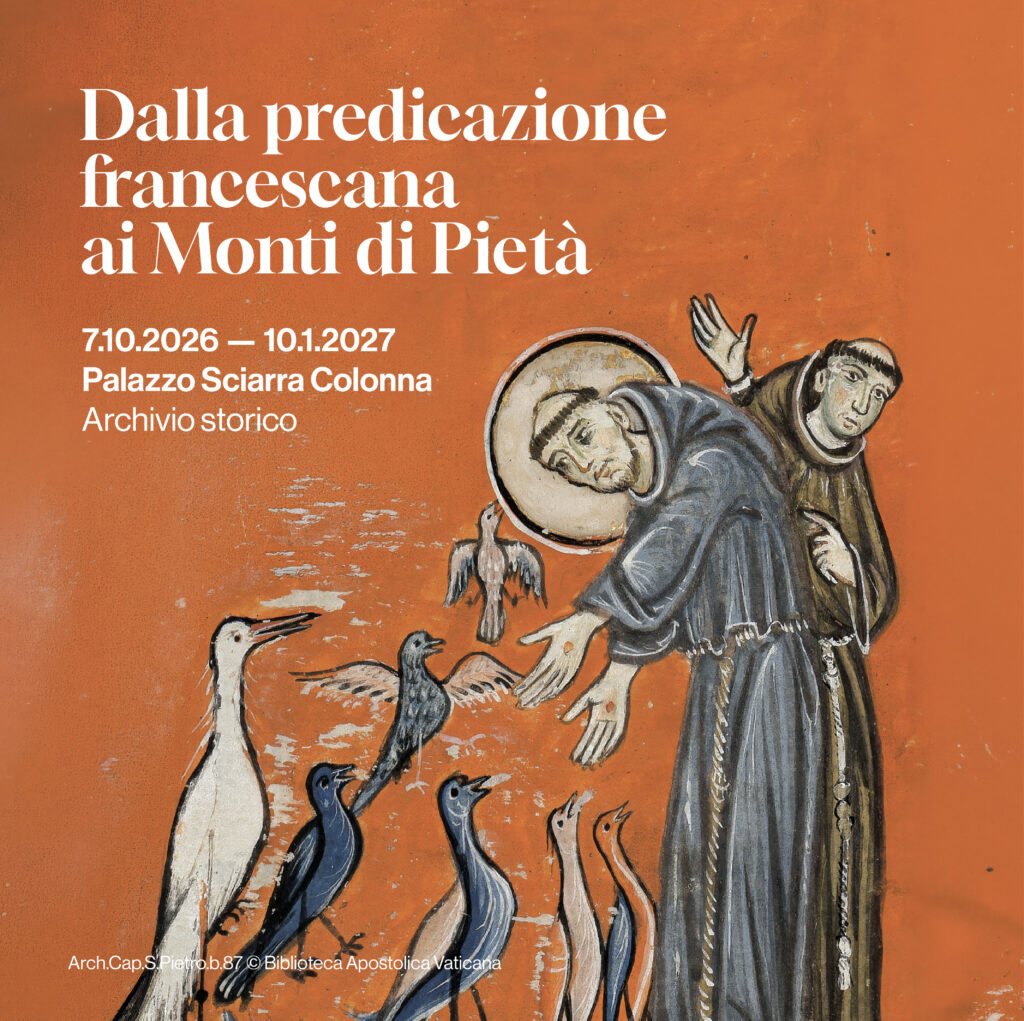
Through a selection of documents of outstanding historical significance and a programme of temporary thematic exhibitions, the Archive offers visitors free access to a remarkable testimony not only to the evolution of archival practices, but above all to the institution’s origins. This documentary journey retraces the history of the Foundation, from the Monte di Pietà to the establishment of the Cassa di Risparmio di Roma.

In addition to its museum activities, the Historical Archive continues to fulfil its research mission. Accredited scholars may access its documentary holdings by appointment for consultation and academic research.

Download the audioguide
Banner Historical Archive

Access Information for the Historical Archive

Learn more

The Historical Archive

Logo Fondazione Roma

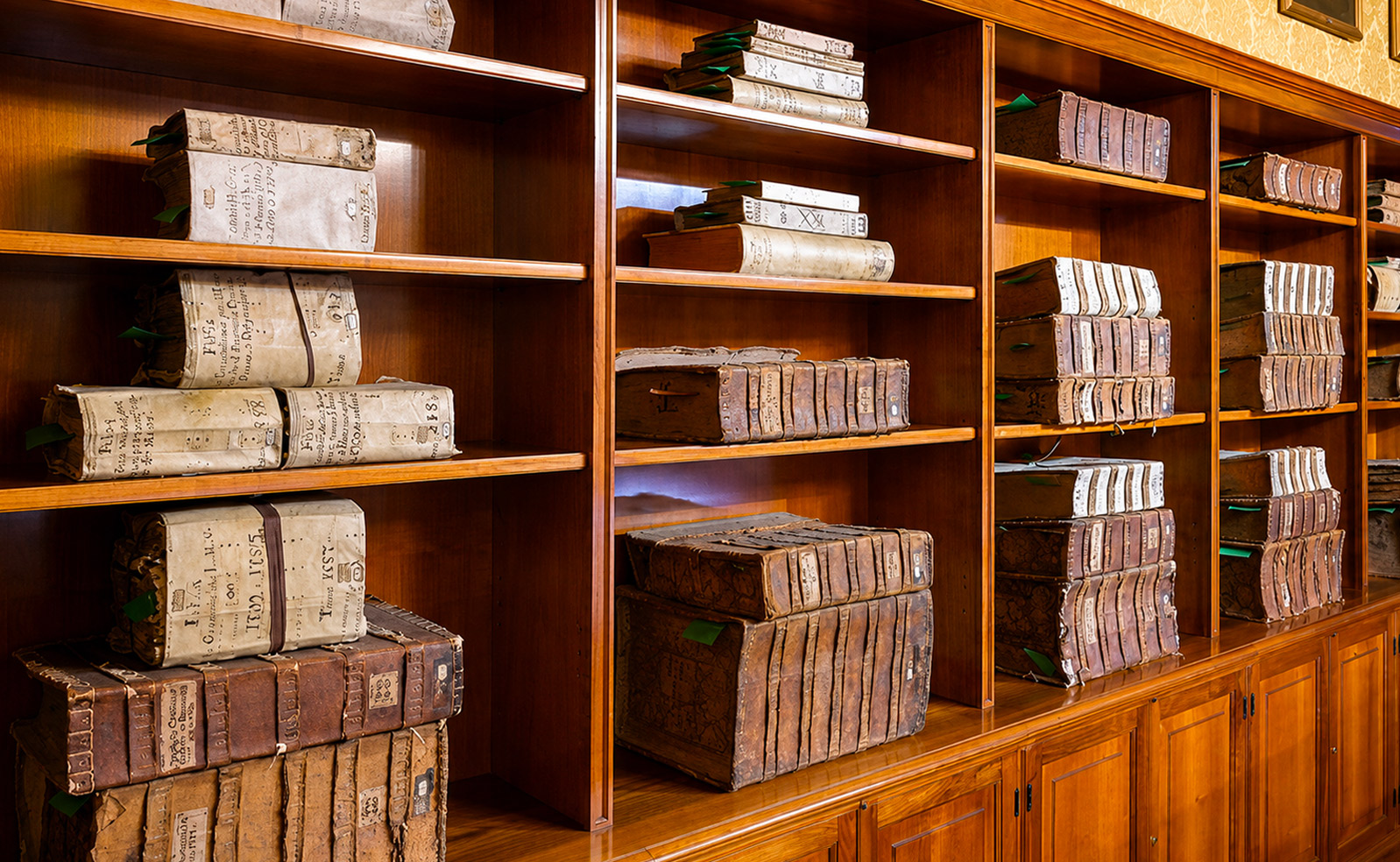
Established in 2010—when the Foundation acquired the funds of the two institutions from UniCredit on loan—the Historical Archive collects substantial documentation spanning from the 1500s to the 1900s, offering the public countless pathways for exploration and discovery, blending narratives of major historical figures with those of ordinary people.

The Monte di Pietà, created as a pawn-based credit institution aimed at aiding the less affluent, was founded by Pope Paul III Farnese (1534–1549) with the bull Ad sacram Beati Petri sedem on September 9, 1539.

Over the years, many distinguished figures turned to the Monte di Pietà. The Historical Archive preserves documents recording pledges made by members of royal families and other notable historical figures. Queen Christina of Sweden, for example, secured a loan by pledging several diamonds, as did James Stuart of England, Giuseppe Garibaldi, and the Marchese del Grillo.

The Archive also treasures memories of the nameless, such as the glasses of an unknown accountant forgotten among the pages of a heavy register, or the typewriter that, in the 1920s, allowed employees to carry out traditional tasks in a modern and efficient manner.