IT
IT

Museo del Corso – Polo museale, Palazzo Cipolla
6 March – 5 July 2026
The exhibition From Vienna to Rome. The Wonders of the Habsburgs from the Kunsthistorisches Museum closed on 5 July at the Museo del Corso – Polo museale, Palazzo Cipolla. The exhibition was inaugurated in the presence of the President of the Italian Republic, Sergio Mattarella, and the Federal President of the Republic of Austria, Alexander Van der Bellen. The exhibition project met with wide acclaim from both the public and critics, confirming its place among the most significant cultural events of Rome’s exhibition season.
Promoted and produced by Fondazione Roma in collaboration with the Kunsthistorisches Museum in Vienna, under the patronage of the Italian Ministry of Culture and the Embassy of Austria in Rome, and realized with the organizational support of MondoMostre, the exhibition brought to Italy for the first time over fifty masterpieces from the collections of the Viennese museum, offering visitors a unique opportunity to discover the extraordinary Habsburg art collection and the cultural vision that shaped it over the centuries.
Curated by Cäcilia Bischoff, art historian at the Kunsthistorisches Museum, the exhibition traced the origins and development of one of Europe’s most important collections, portraying a dynasty that made art an instrument of representation, knowledge, and dialogue between cultures. Through paintings, precious objects, and testimonies from the celebrated Kunstkammer, the exhibition path reconstructed the role of Habsburg collecting as an expression of a vision of Europe founded on the circulation of ideas, artists, and artistic languages.
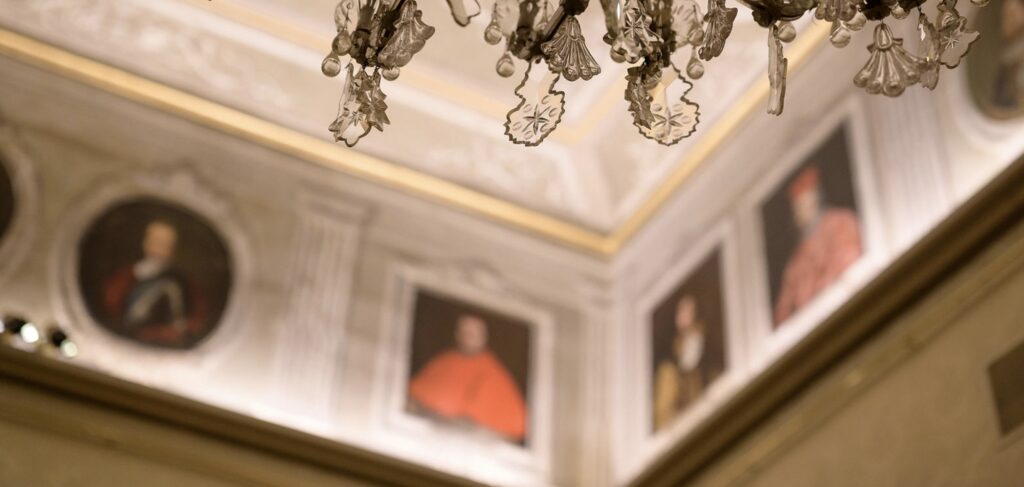
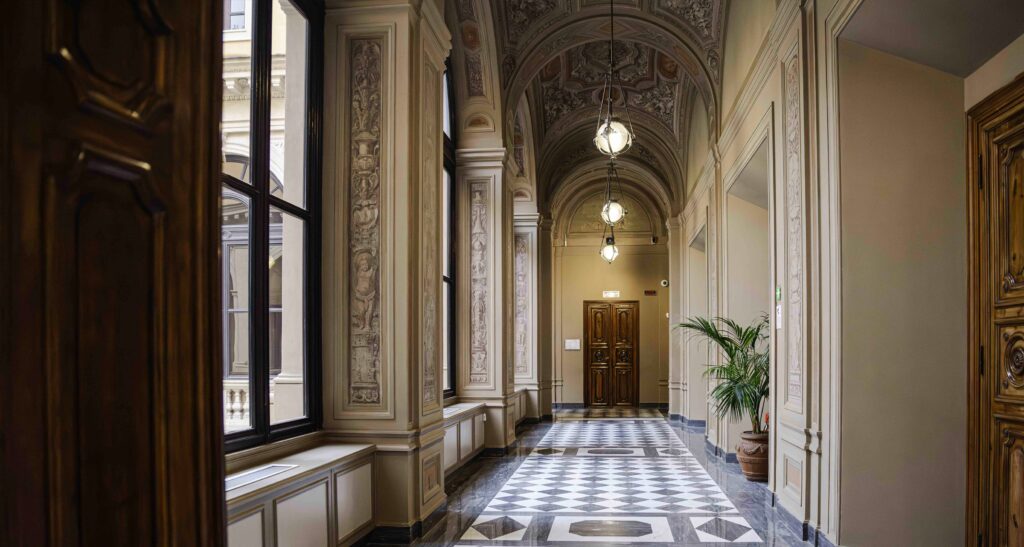
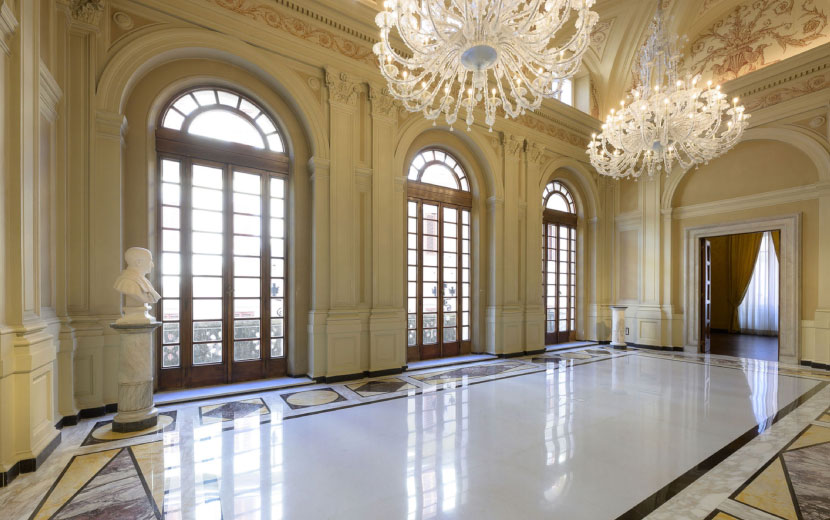
One of the distinctive features of the project was the dialogue between the two museum venues. The introductory section dedicated to architecture drew a connection between the monumental Kunsthistorisches Museum in Vienna, designed by Gottfried Semper and Carl Hasenauer and inaugurated in 1891, and Palazzo Cipolla, originally built as the headquarters of the Cassa di Risparmio di Roma, through the figure of architect Antonio Cipolla. This comparison offered an original interpretive key to the entire exhibition project, highlighting the civic value of architecture and museum institutions.
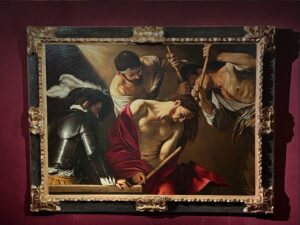
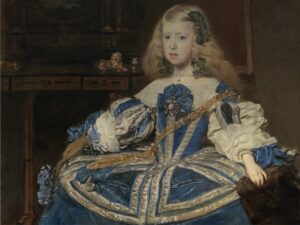
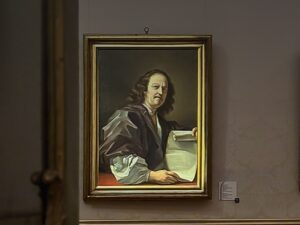
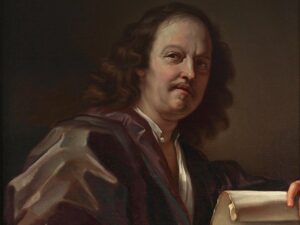
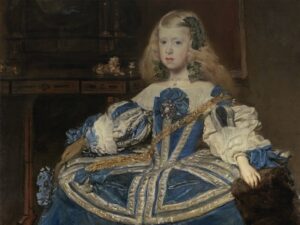
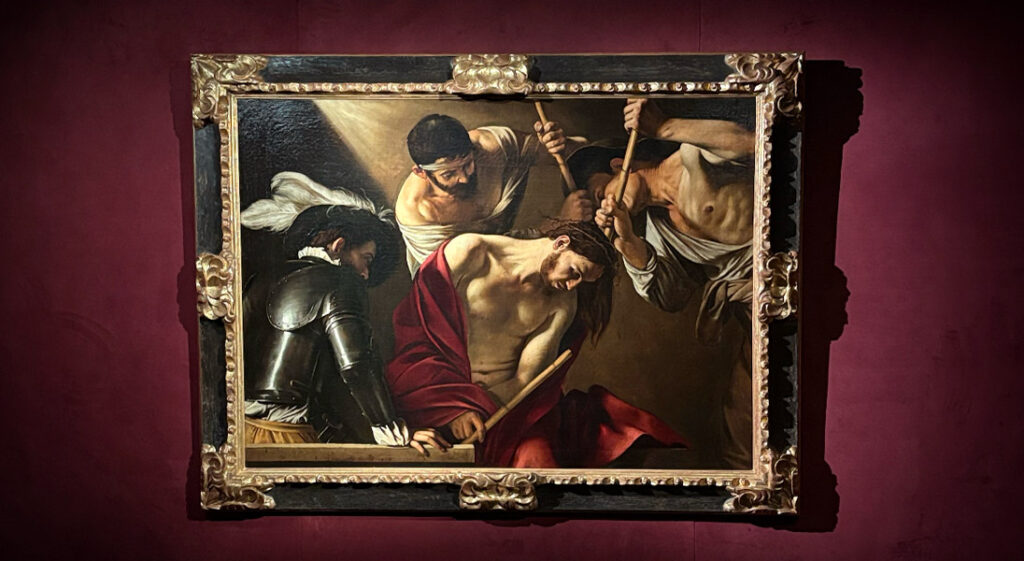
The exhibition path brought together some of the most significant figures in European painting between the sixteenth and seventeenth centuries, showcasing the richness and breadth of the imperial collections. Works by Titian, Tintoretto, Veronese, Caravaggio, Rubens, Van Dyck, Velázquez, Arcimboldo, Cranach, Brueghel, Frans Hals, Jan Steen, and many other artists told the story of an extraordinary era in the history of Western art, highlighting the ongoing dialogue between the Italian, Flemish, Dutch, German, and Spanish schools. Among the works most admired by the public, Caravaggio’s Crowning with Thorns and the celebrated portrait of the Infanta Margarita in a Blue Dress by Diego Velázquez represented two particularly powerful moments in the exhibition path.
Throughout the four months of its run, the exhibition was accompanied by a rich program of cultural events that further strengthened its dialogue with the public. The lecture series dedicated to the artistic relationships between Vienna and Rome, the Habsburgs, and the architecture of the two museums brought together Italian and international scholars and specialists, offering opportunities for in-depth exploration of the exhibition’s themes and confirming the Museo del Corso’s role as a place for discussion and cultural outreach.
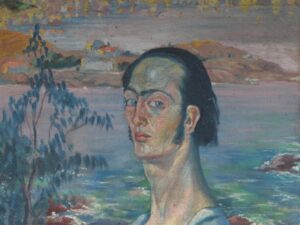
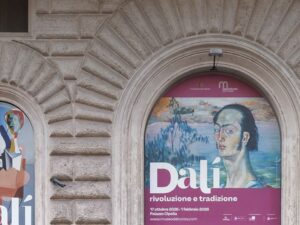
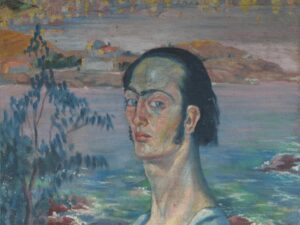
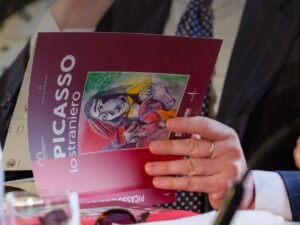
The exhibition also strengthened the process of internationalization launched by Fondazione Roma with previous projects dedicated to Picasso the Foreigner and Dalí. Revolution and Tradition, reinforcing collaboration with some of the most prestigious European museum institutions and reaffirming the role of the Museo del Corso – Polo museale as a benchmark for major exhibition projects of scientific and international scope.
With From Vienna to Rome. The Wonders of the Habsburgs from the Kunsthistorisches Museum, Fondazione Roma reaffirms its commitment to promoting exhibitions that combine scientific rigor, the high quality of the works on display, and broad accessibility, offering the public opportunities to engage with European artistic heritage in dialogue with the history, culture, and identity of our time.