IT
IT


Public program “Le meraviglie degli Asburgo”
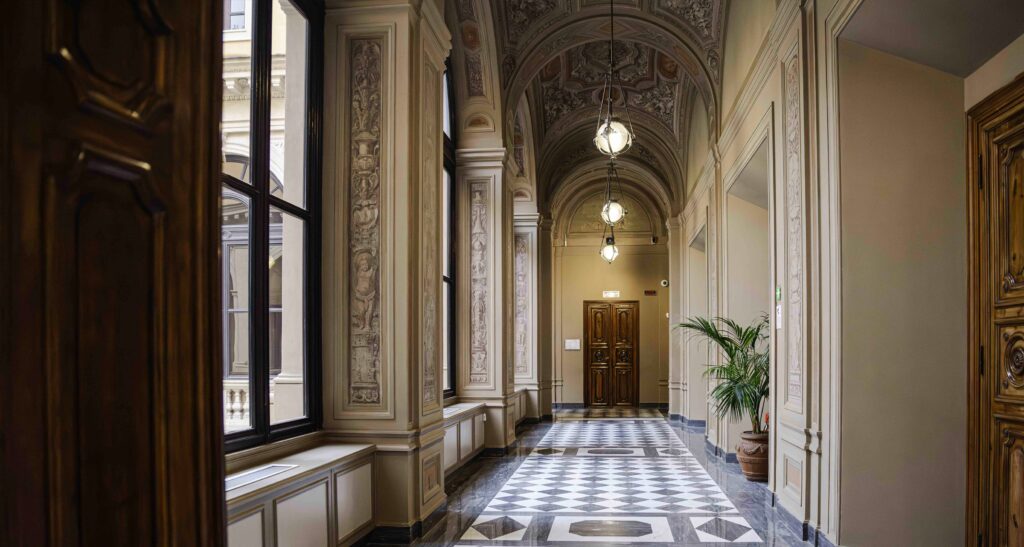
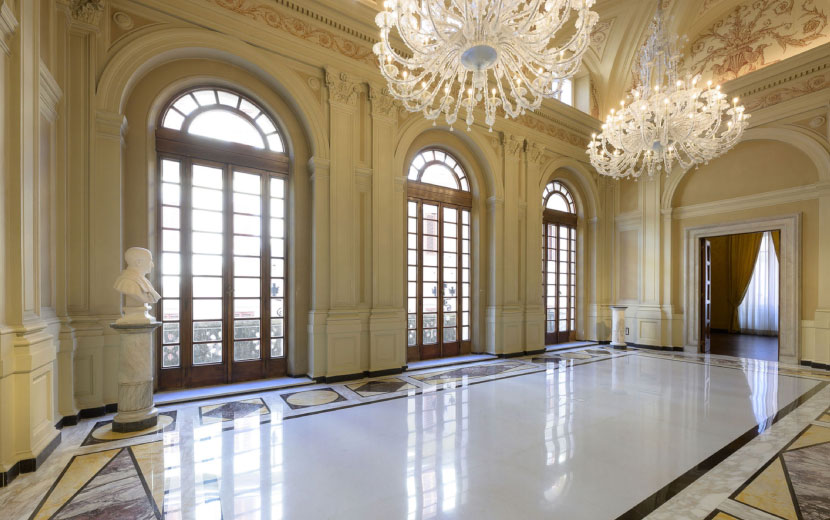
15 April 2026 – 6:00 PM Rebecchini hall, Palazzo Sciarra Colonna – Via Minghetti 22, Rome
With Caecilia Bischoff, curator of the exhibition, and Stefano Zuffi, art historian.
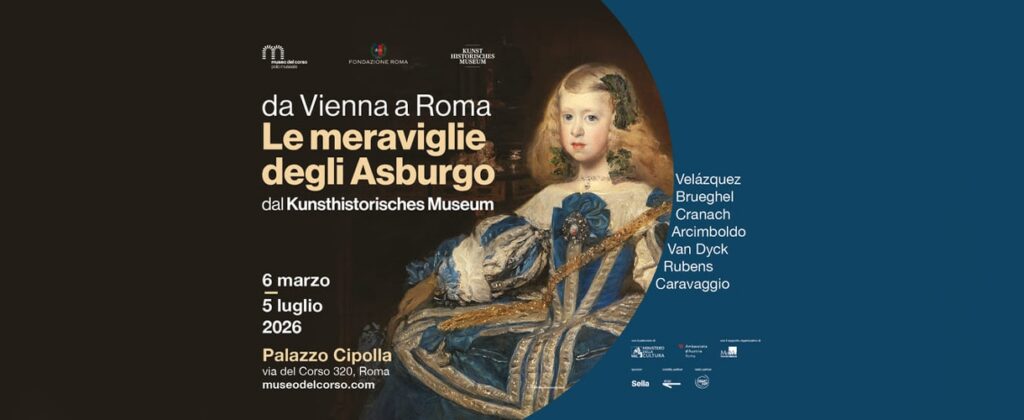
This lecture introduces the central themes of the exhibition From Vienna to Rome. The Wonders of the Habsburgs from the Kunsthistorisches Museum, exploring the history of collecting within the Habsburg dynasty and the formation of one of the most important imperial collections in modern Europe.
Through an examination of the origins of these collections and their development over the centuries, the event will trace the process that led to the establishment of Vienna’s Kunsthistorisches Museum, highlighting its transformation from a private dynastic collection into a public institution.
An opportunity to understand how the Habsburgs transformed artistic heritage into a tool of cultural and political representation, contributing to the creation of one of Europe’s great museums and to the development of the modern concept of the public museum.
A Universal Direction: Artistic Exchanges between Vienna and Rome
14 may 2026 – h 18:00 Rebecchini hall, Palazzo Sciarra Colonna – Via Minghetti 22, Roma
With Cecilia Mazzetti di Pietralata, Associate Professor of Early Modern Art History at the University of Cassino and Southern Lazio.
This lecture explores the artistic and cultural dialogue between Vienna and Rome, two capitals that, between the sixteenth and eighteenth centuries, emerged as centres of universal political and religious power.
Through an analysis of the relationships between the Habsburg dynasty and the Papal States, the event will examine the movement of artists, artworks, and artistic models that contributed to the formation of the imperial collections. From the role of Charles V and the spread of Venetian painting within the Habsburg collections to the remarkable collecting activities of Archduke Leopold Wilhelm, the lecture will reveal how Italian art became a fundamental instrument of symbolic and cultural legitimacy for Vienna.
The conference will offer insights into the artistic and political dynamics that, over the centuries, shaped the relationship between the two cities and contributed to the creation of a shared European heritage.
Rome and Vienna. Architecture as a Civic Instrument: Memory, Function, and Transformation
10 june 2026 – h 18:00 Rebecchini hall, Palazzo Sciarra Colonna – Via Minghetti 22, Roma
With Margherita Guccione, Scientific Director of Grande MAXXI, and Elena Tinacci, Coordinator of the MAXXI Department of Architecture and Contemporary Design.
This lecture examines architecture as a tool of political and cultural representation, comparing Rome and Vienna through the work of key figures in European architecture between the nineteenth and early twentieth centuries.
Drawing on the works and visions of Antonio Cipolla, Gottfried Semper, and Carl von Hasenauer, the event will explore the role of public buildings in shaping urban identity and defining civic space.
Particular attention will be devoted to the processes of transformation and adaptive reuse of historic architecture, highlighting how these buildings continue to contribute to collective memory and to the cultural life of contemporary cities.